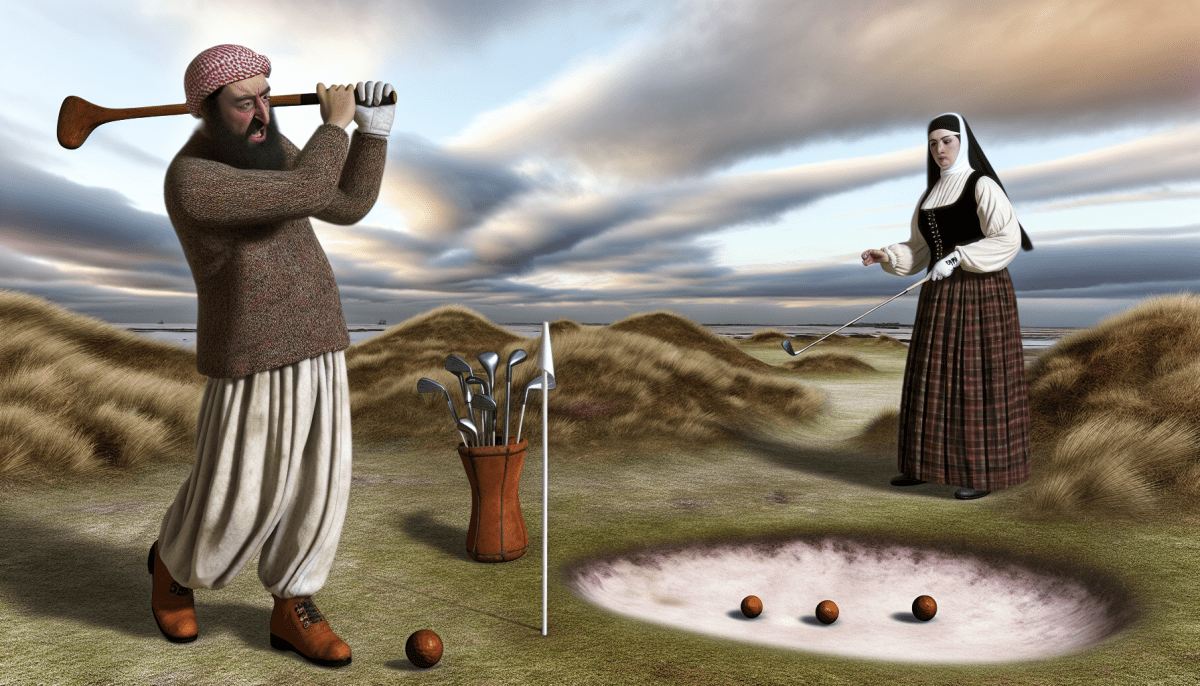
Golf has come a long way from its humble beginnings. It’s hard to believe that this beloved sport started as a simple game in the early 15th century in Scotland. Historians believe it originated when people began hitting a stuffed leather ball with a stick on the rugged landscape of the Scottish Highlands.
In those days, the focus was not on manicured greens or fancy equipment. Players would find natural holes in the ground and aim to get their balls into these makeshift targets. It wasn’t until King James II of Scotland declared golf illegal in 1457 that the sport truly began to take off. His concern? Too many Scots were spending time on the golf course instead of military training! This ban only fueled the passion for the game.
By the 16th century, golf gained popularity, particularly among nobility. The first official golf course, known as the Old Course at St Andrews, laid the groundwork for how we understand the game today. It was here that the sport really started to flourish and draw attention from all walks of life.
Fun fact: the very first set of golf rules was established in 1744 in Edinburgh. These rules helped standardize the game and paved the way for the golfing world we know now. From those early days of hitting balls with sticks, golf has transformed into a major global phenomenon, bringing together players of all ages and backgrounds.
Evolution of the Game
The evolution of golf is a fascinating journey that spans centuries. The game we see today has come a long way from its early origins. While many people believe that golf started in Scotland during the 15th century, it actually has roots that trace back even further. Evidence of games involving hitting a ball with a stick can be found in ancient Rome and even in the Netherlands, where a game called "kolf" was popular in the 14th century.
By the 15th century, Scotland became the center of the golfing universe. The Old Course at St Andrews, often referred to as the “Home of Golf,” played a significant role in shaping how the game was played. The first written reference to golf dates back to 1457 when King James II banned it because it distracted men from practicing archery. Talk about a royal disagreement!
As the game gained popularity, the rules began to take form. In 1744, the first known rules of golf were established by the Company of Gentlemen Golfers in Edinburgh. These rules paved the way for a more structured approach to the game and set the foundation for the rules we follow today.
In the 19th century, golf crossed the Atlantic Ocean and made its mark in the United States. The first golf course in the U.S. was built in 1888 in Yonkers, New York. As the sport evolved, innovations like the gutta-percha ball and steel-shafted clubs emerged, changing how the game was played and enjoyed by millions.
Fast forward to today, golf boasts a rich history filled with iconic players, legendary tournaments, and advancements that keep the game exciting. Despite the changes, the core essence of hitting a little ball into a hole remains, making it a sport that continues to bring people together, both on the course and off.
Major Changes Over the Years
Golf has come a long way since its early beginnings in the 15th century. Originally played on the streets of Scotland with simple wooden clubs and soft, feather-stuffed balls, it was a far cry from the game we know today. Over the years, various changes have shaped and refined the sport, making it more accessible and enjoyable for players of all skill levels.
One of the most significant changes was the introduction of new materials and technology. Golf balls evolved from feathers and leather to today’s high-tech designs, made with synthetic materials that enhance distance and accuracy. Clubs also transitioned from heavy wooden drivers to lightweight, high-strength metals. This means golfers can now swing faster and hit the ball farther, really changing the dynamics of the game.
The rules and structure of golf saw major tweaks as well. The establishment of standard rules in the 19th century helped formalize competitions, and the creation of organizations like the USGA and R&A brought a unified approach to the game. These changes encouraged more tournaments and made it easier for players to understand the game, boosting its popularity worldwide.
In recent years, golf has embraced technology even more with things like GPS devices, swing analyzers, and simulators. These tools help golfers improve their game in ways that were unimaginable a few decades ago. Plus, with golf becoming more inclusive, many courses now offer shorter tees and programs specifically designed for beginners, making it a sport that everyone can enjoy.
The Rise of Modern Golf
The 1920s and 1930s marked a significant turning point for golf. Legendary players like Bobby Jones became household names, bringing attention to the sport through their remarkable skills and sportsmanship. With this newfound fame, golf courses began sprouting up across the world. It transitioned from a niche pastime to a widely embraced recreational activity. Families and friends flocked to the greens, making it a social as well as a competitive experience.
Television also played a crucial role in the rise of modern golf. As major tournaments started being broadcasted, fans could watch their favorite players compete from the comfort of their homes. Events like The Masters and The Open Championship brought the excitement of golf to a broader audience and created a new wave of enthusiasts eager to pick up clubs and join in the fun.
Today, golf is more accessible than ever. A variety of equipment and training programs cater to players of all skill levels. You don’t need to be a pro to enjoy a day on the course! With innovations in technology and courses designed for all abilities, more people are giving golf a try. The rise of younger players and the influence of social media are also shaping the future of the game, keeping it fresh and engaging for new generations.